overview
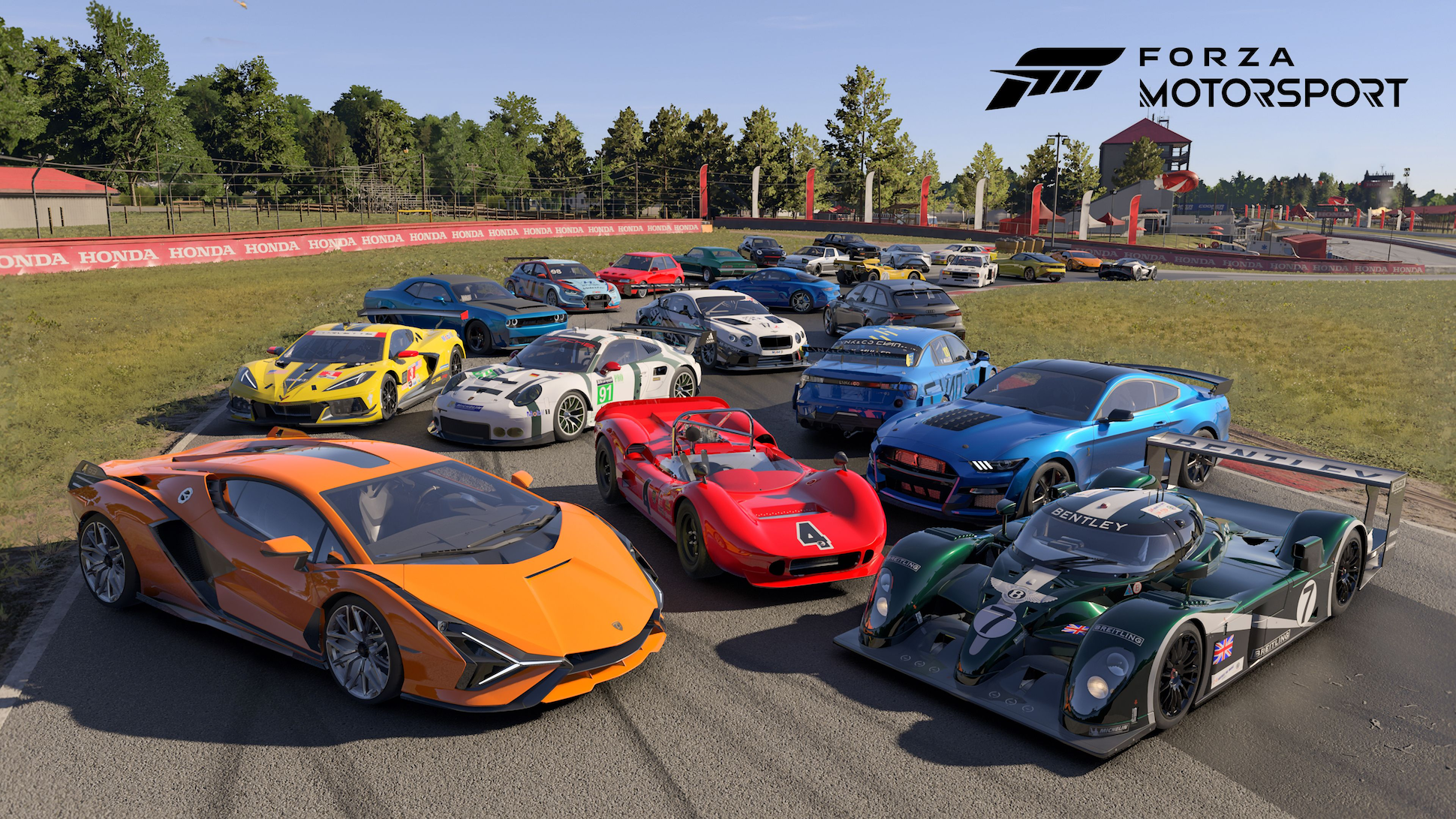
Started by rebuilding a reliable CI/CD foundation for an ambitious sequel, then scaling into embedded co-development.
Miguel Casillas began the engagement leading a small, specialized test automation team to revive an abandoned automation pipeline. Over time, the partnership expanded significantly, and Miguel transitioned into broader technical leadership across multiple core tech sub-teams, while remaining hands-on leading Tools work that supported the procedural creation pipeline.
The initial 6-month pilot succeeded strongly enough that Turn10 expanded the engagement into a long-running partnership. What began as a small automation-focused team evolved into a 30+ person cross disciplinary group.
Code quality: Miguel led the internal coding reviewing process, participating in C++, C#, and python while mentoring developers on quality expectations and review standards to create self-sufficient teams.
Hands on experience: Apart from leadership duties, Miguel remained a hands-on developer, leading a Tools team for the creation of artist-facing procedural generation tools used in the creation of cars, tracks, props, materials, masks, etc.
ForzaTech, being a proprietary engine, required rapid mastery of internal systems and pipelines. Work spanned various languages (C++, C#, Python) across different technical domains and tools. The engagement spanned pre-production, production, and live operations.
Games details
Engine
ForzaTech (proprietary: C++, C#, Python)
Responsibilities
Through this 4+ year engagement, Miguel took on various responsibilities
Test Automation
Miguel led a 5-developer team focused on building and operationalizing a Test Automation Framework for Forza Motorsport inside the proprietary ForzaTech engine.
The team targeted broad coverage across the major game areas:
- Gameplay
- Multiplayer
- Services
- UI
Tests were designed to run at different stages of the CI/CD pipeline based on cost and complexity
Co-development
After a successful pilot phase, the team grew into a cross-disciplinary group, embedded into the various Turn10 teams.
Collaboration included Perforce-based code reviews and adherence to Turn 10 coding standards and practices.
Over time, Miguel’s teams gained broader ownership of multiple areas of the codebase by building trust through consistent quality and communication.
Tools
As the partnership matured, Miguel led core tech sub-teams (including audio, engine, accessibility, and tools), while remaining hands-on as lead of the Tools team.
A key tools highlight under Miguel’s leadership was enabling improvements in the workflow around procedural textures and masks, such including support for creating and applying dirt masks that could be used on cars and environmental assets (e.g. buildings).
Technical Leadership
Miguel’s leadership contributions were fundamental to scaling the engagement:
- Growth & hiring: Miguel participated in hiring for Snowed In Studios and helped scale the team from a small pilot to a large, multi-disciplinary co-development organization.
- Onboarding strategy: Alongside producers, Miguel built an onboarding approach designed to help new team members adapt quickly and produce high-quality code with minimal ramp time.
- Code quality system: Miguel initially participated directly in code reviews across C++, C#, and Python, then mentored engineers on quality expectations and review standards, delegating review responsibility over time to create self-sufficient sub-teams that could maintain quality without bottlenecks.